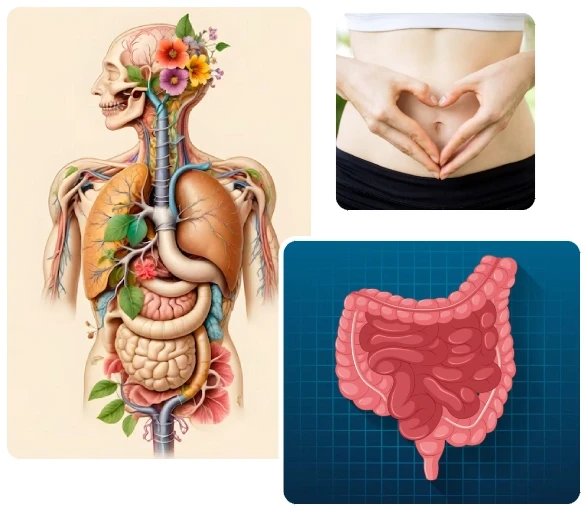
Pediatric Gastroenterology
Best Pediatric Gastroenterology Hospital in Kolkata
Pediatric Gastroenterology at S. H. Binayak Multispeciality Hospital provides expert diagnosis and treatment for digestive, liver, and nutritional disorders in children. Our experienced gastroenterologists focus on safe, effective care, ensuring your child’s comfort, proper growth, and overall digestive health with compassion and precision. S.H Binayak is Best Pediatric Gastroenterology Hospital in Kolkata.
Doctor Of Pediatric Gastroenterology

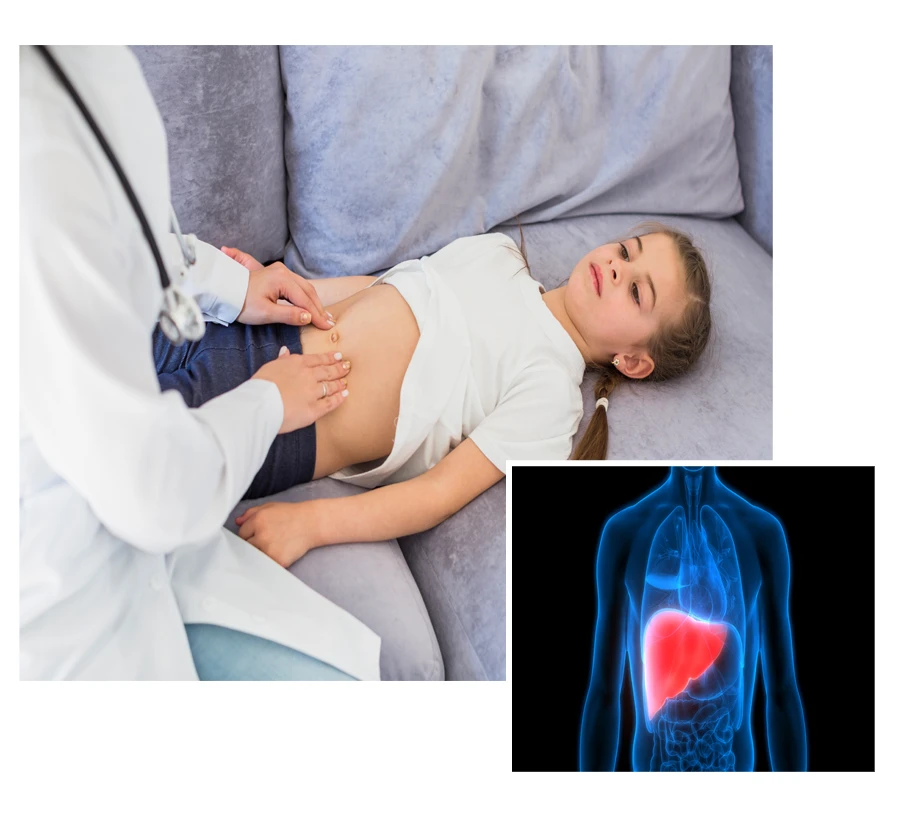
What is Pediatric Gastroenterology?
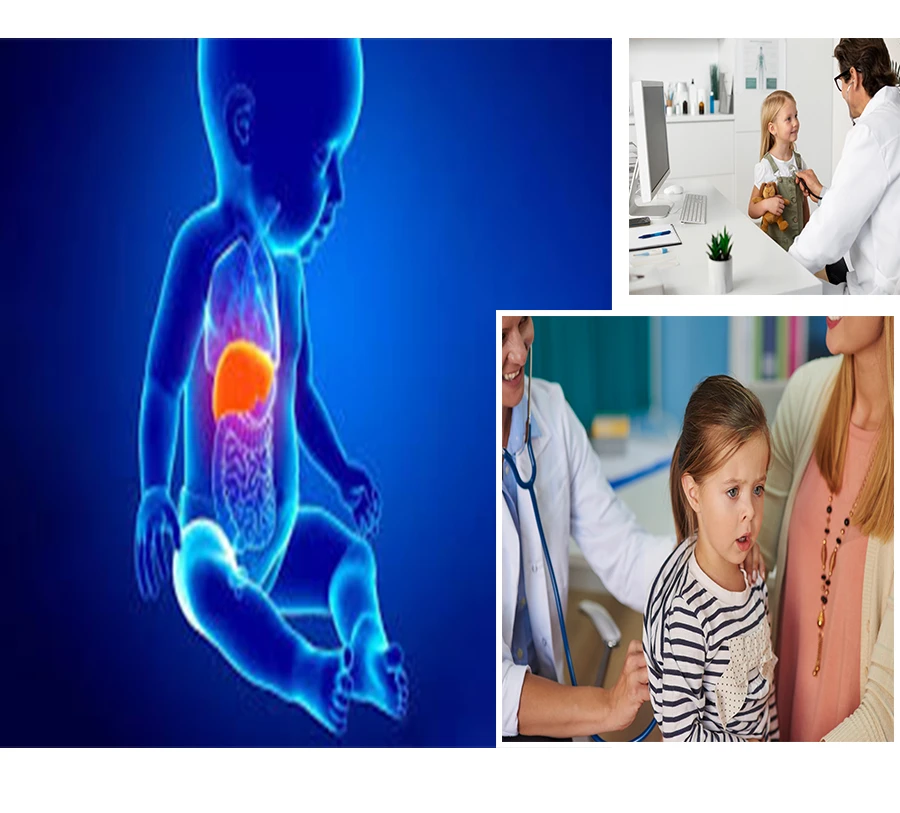
Pediatric Gastroenterology is a subspecialty of medicine that focuses on diagnosing, treating, and managing digestive system disorders in infants, children, and adolescents. The digestive tract of a child is not just a smaller version of an adult’s — it is still developing, making specialized care essential for accurate diagnosis and effective treatment.
A Pediatric Gastroenterologist is a physician with expertise in both pediatrics and gastroenterology, trained to address the unique nutritional and developmental needs of children suffering from gastrointestinal, liver, or nutritional disorders.
Scope of Pediatric Gastroenterology
This branch of medicine deals with a wide range of conditions that affect the digestive organs, including the esophagus, stomach, intestines, liver, pancreas, and gallbladder. These specialists work closely with dietitians, pediatric surgeons, and psychologists to provide holistic care for young patients.
Common Conditions Treated
Pediatric gastroenterologists manage various conditions, such as:
-
Gastroesophageal Reflux Disease (GERD): Frequent vomiting, heartburn, or regurgitation due to acid reflux.
-
Chronic Constipation and Diarrhea:Persistent bowel irregularities that affect nutrition and growth.
-
Food Allergies and Intolerances:Reactions to milk, gluten, soy, or other foods causing digestive distress.
-
Celiac Disease: An autoimmune disorder triggered by gluten consumption.
-
Inflammatory Bowel Disease (IBD):Chronic inflammation of the digestive tract, including Crohn’s disease and ulcerative colitis.
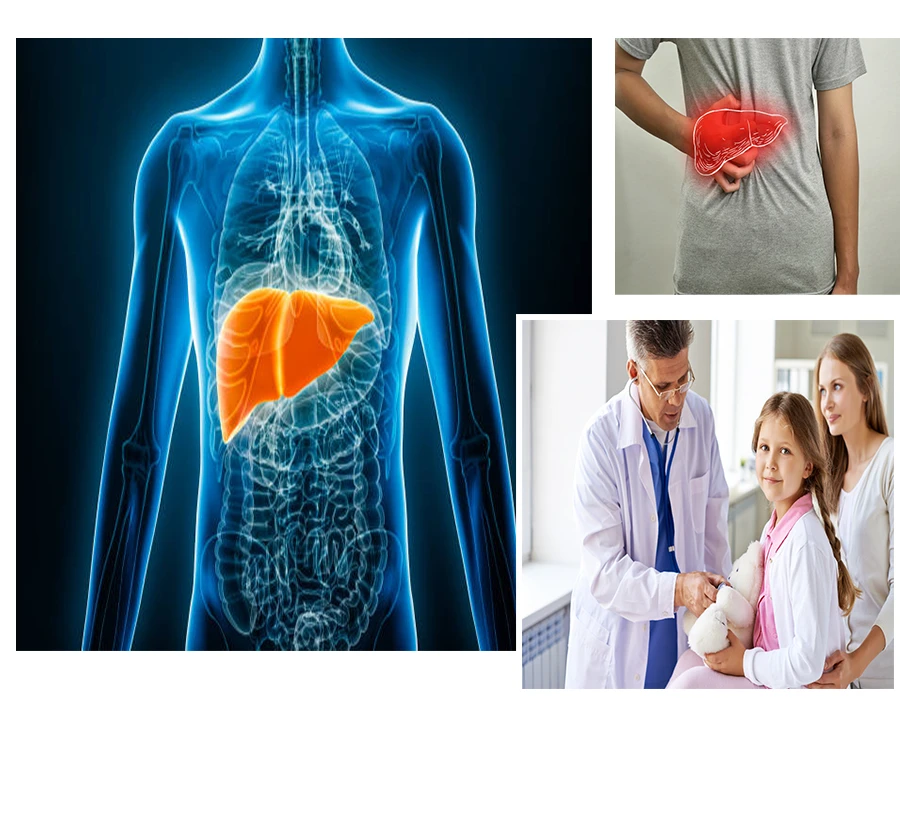
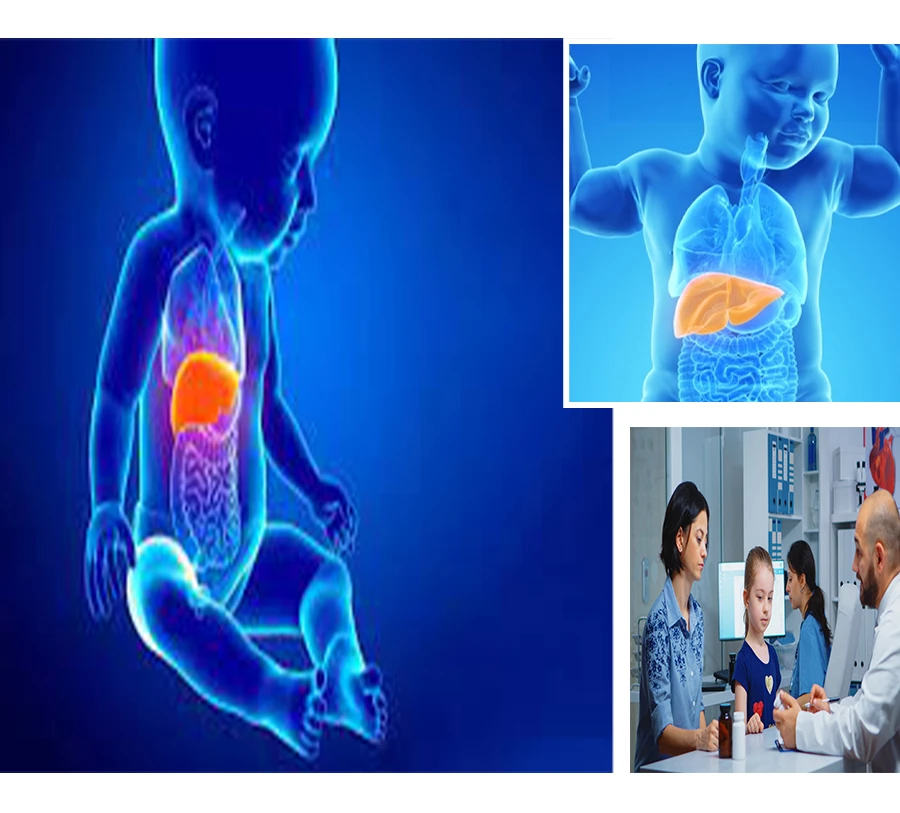
Diagnostic Approaches
To identify the cause of digestive issues, pediatric gastroenterologists use advanced, child-friendly diagnostic tools such as:
-
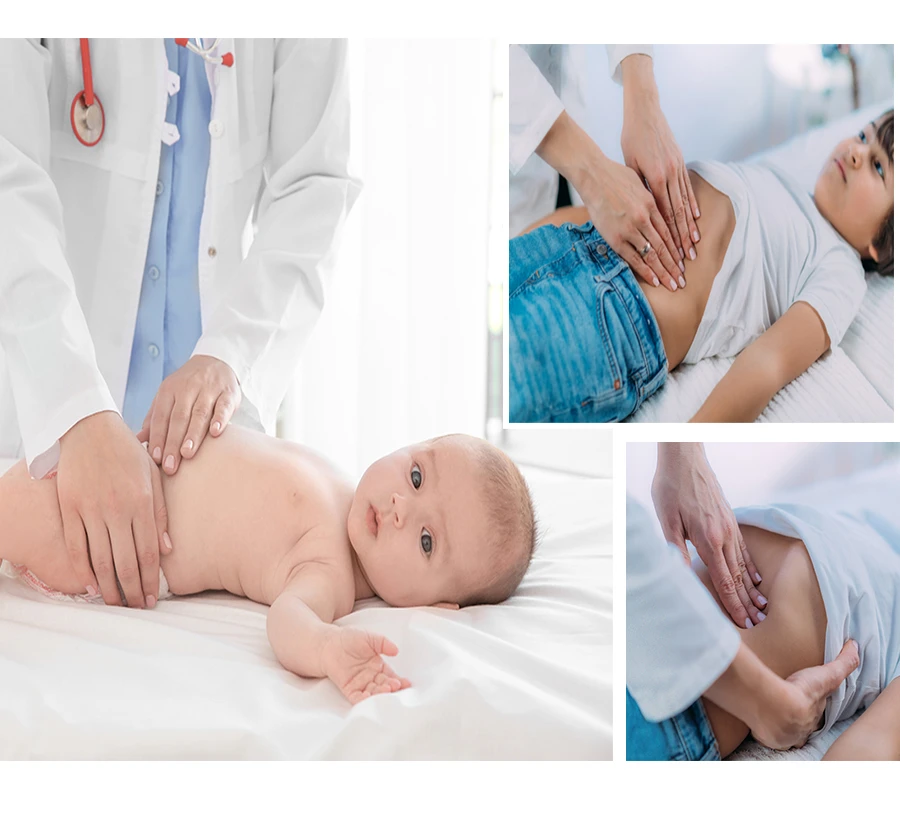
Endoscopy and Colonoscopy: To visualize and assess the inner lining of the gastrointestinal tract.
-
Liver Function Tests and Blood Work: To detect infections, inflammation, or metabolic problems.
-
Ultrasound, CT, or MRI Scans: For structural assessment of the digestive organs.
-
Breath Tests: For lactose intolerance, bacterial overgrowth, or H. pylori infection.
-
Stool and Nutritional Tests: To evaluate digestion and nutrient absorption.
Treatment and Management
Treatment plans are tailored to each child’s age, condition, and nutritional requirements. These may include:
-
Dietary Modifications: Personalized meal plans to manage allergies, intolerances, or digestive sensitivity.
-
Medication Therapy: For managing acid reflux, inflammation, or infections.
-
Nutritional Support: Through supplements or feeding tubes when oral intake is inadequate.
-
Behavioral and Lifestyle Guidance: Teaching healthy eating habits and managing stress-related gut issues.
-
Surgical Referral: When structural abnormalities or severe diseases require surgical intervention.
Role of the Pediatric Gastroenterologist
A pediatric gastroenterologist provides more than just medical treatment—they offer comprehensive care focused on growth, development, and emotional well-being. Their approach involves:
-
Building a child-friendly environment for comfort and trust.
-
Monitoring long-term growth and nutritional status.
-
Educating parents about dietary management and preventive care.
-
Coordinating with pediatricians, dietitians, and therapists for multidisciplinary care.
Why Choose S.H Binayak for Pediatric Gastroenterology?
S.H Binayak offers specialized and compassionate digestive care tailored exclusively for children, ensuring comfort, safety, and accurate treatment at every step.
Specialized Pediatric Expertise
-
Experienced pediatric gastro specialists trained in managing infant and child digestive disorders.
-
Gentle, child-friendly approach to reduce fear and anxiety.
Advanced Diagnostic Support
-
Safe pediatric endoscopy and imaging facilities.
-
Accurate diagnosis of reflux, celiac disease, and liver conditions.
Comprehensive Treatment Plans
-
Personalized nutrition and medication guidance.
-
Management of chronic abdominal pain and IBS in children.
Family-Centered Care
-
Clear communication with parents.
-
Ongoing follow-ups for long-term digestive wellness and healthy growth.
When to See a Pediatric Gastroenterologist
Parents should consult a specialist if their child experiences:

Persistent abdominal pain or bloating.

Frequent vomiting or acid reflux.

Blood in stool or unexplained diarrhea.